
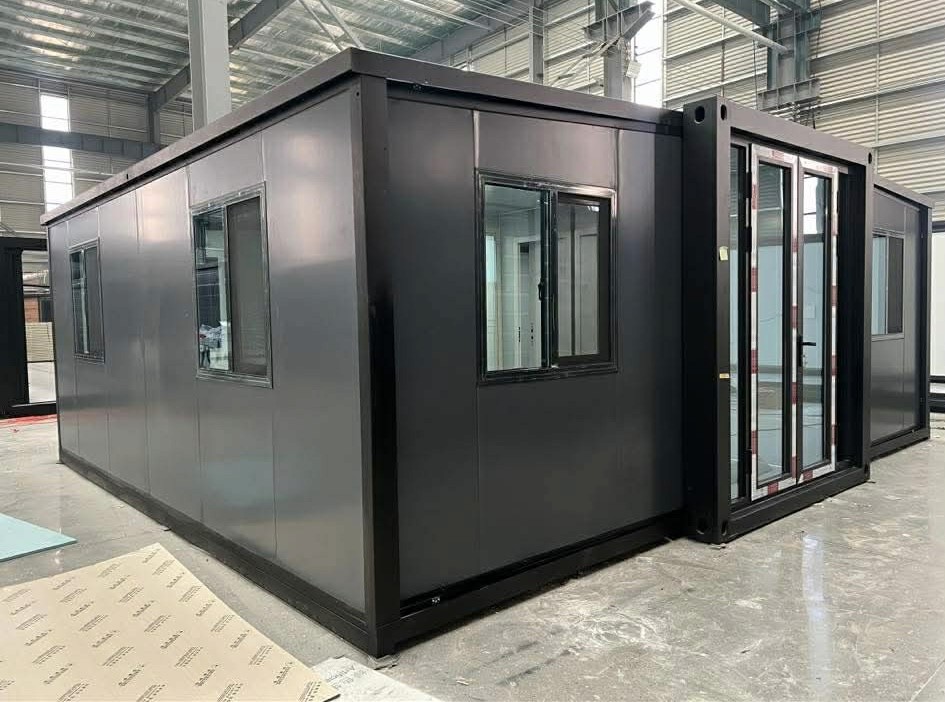
Container Home Builders Melbourne & Victoria
Container home builders in Melbourne & Victoria. Affordable, custom-designed shipping container homes with full insulation & fit-out. GKON Projects.
Get a Free Quote
What Is a Container Home?
Container homes are modern dwellings built from repurposed steel shipping containers the same 20ft and 40ft containers used to transport goods across the world's oceans. They offer a unique blend of industrial character and contemporary design, and when built right, they're just as comfortable, durable, and stylish as any traditional home.
A standard 20ft shipping container is approximately 6 metres long by 2.4 metres wide, giving you around 14 square metres of floor space. A 40ft container doubles that to roughly 28 square metres. Multiple containers can be joined side by side, stacked, or arranged in L and U-shaped configurations to create larger, multi-room homes with open-plan living areas, high ceilings, and outdoor decks.
At GKON Projects, we design and build custom container homes across Melbourne and Victori from compact granny flats and Airbnb cabins to full-size family residences and commercial spaces.
Why Choose a Container Home?
Container homes have surged in popularity across Melbourne and regional Victoria and for good reason. Here's what makes them a smart alternative to traditional construction:
Faster build times. A container home can be built and delivered in as little as 8–16 weeks, compared to 9–12+ months for a conventional home build. Because much of the fabrication happens off-site in a workshop, weather delays and site disruptions are minimised.
Lower construction costs. Container homes can cost 30–40% less than traditional construction in Melbourne. The steel structure already exists, so you're not paying for framing, brickwork, or extensive site labour.
Structurally strong. Shipping containers are engineered to be stacked 8–9 high while fully loaded on cargo ships, and they're designed to withstand extreme ocean conditions. That strength translates directly into a robust, wind-resistant, and impact-proof home.
Eco-friendly. Every container home repurposes a steel box that would otherwise sit idle or end up in a scrapyard. A single 40ft container represents about 3,500kg of recycled steel. Combined with sustainable insulation, solar panels, and water-efficient fittings, container homes can have a significantly smaller environmental footprint than traditional builds.
Transportable. Container homes can be delivered to remote or difficult-access sites that would be challenging for traditional construction. Regional Victoria properties, rural acreage, and off-grid locations are all well-suited to container builds.
Highly customisable. Despite starting as a steel box, container homes can be designed to look and feel like any modern home with open-plan living, full-height glazing, timber cladding, polished concrete floors, and designer kitchens. The only limit is your imagination and budget.
What Can You Build With Shipping Containers?
Container homes are far more versatile than most people realise. We've built and designed container projects including:
Primary residences full 2–4 bedroom family homes using multiple containers in creative configurations
Granny flats and secondary dwellings a self-contained 1-bedroom unit using a single 40ft container or two 20ft containers. Popular for elderly parents, teenagers, or rental income
Airbnb and holiday accommodation unique, eye-catching short-stay rentals for regional Victoria tourism areas
Home offices and studios a separate workspace in your backyard, insulated and fitted out for year-round use
Rural retreats and weekenders off-grid cabins on rural properties across regional Victoria
Commercial spaces pop-up shops, cafés, site offices, and display suites
Insulation: The Most Important Part of a Container Home
This is the number one thing that separates a well-built container home from a hot, noisy steel box. Steel shipping containers are terrible insulators on their own they heat up fast in summer, lose heat rapidly in winter, and amplify rain noise. Without proper insulation, a container home in Melbourne would be unbearable.
Here's how we address this:
Spray foam insulation (closed-cell): This is the gold standard for container homes. It's applied directly to the interior walls and ceiling of the container, creating an airtight, moisture-resistant barrier. It also prevents condensation a major issue with steel structures in Melbourne's humid winters.
Insulated wall panels: Pre-fabricated insulated panels can be installed against the container walls, creating a cavity between the steel and the living space.
Roof protection: A secondary roof structure over the top of the container is highly recommended. This creates an air gap that keeps direct sun off the steel and dramatically reduces heat transfer and rain noise.
Flooring insulation: The original container floor (marine-grade plywood) is replaced or covered with proper floor insulation and your chosen flooring finish.
Energy rating: In Victoria, all new dwellings must achieve a minimum 6-star energy rating. With proper insulation, a container home can achieve this and often exceed it. We design every build with this requirement in mind from the start.
Melbourne Climate and Container Homes
Melbourne's climate is one of the most variable in Australia, and it needs to be front-of-mind when designing a container home.
Summer heat: Melbourne regularly hits 35–40°C+ in summer. Without insulation and a secondary roof, a steel container becomes an oven. With proper insulation, external cladding, and a shaded roof, the interior stays comfortable without excessive air conditioning.
Winter cold: Melbourne winters are damp and cold, often dropping below 5°C overnight. Spray foam insulation and double-glazed windows keep warmth in and prevent the condensation problems that plague poorly built container homes.
Wind: Regional Victoria in particular can experience strong winds. Containers are inherently wind-resistant, but they need proper anchoring and foundation engineering especially on exposed rural sites.
Rain noise: Heavy rain on a bare steel roof is extremely loud. A secondary roof structure or insulated roofing panels solve this completely
Our Container Home Build Process
1. Initial consultation We sit down with you (in person or remotely) to understand what you're after how many rooms, what layout, your budget, your site, and your timeline.
2. Design and planning We create a design based on your brief, including floor plans and material selections so you can see exactly what your home will look like before we start.
3. Permits and approvals We coordinate the building permit application, planning permit (if required), and engineering certification. We deal with your council and building surveyor on your behalf.
4. Off-site fabrication The bulk of the build happens in our workshop structural modifications, insulation, internal fit-out, electrical, plumbing, and finishing. This means no extended disruption to your property.
5. Delivery and installation The completed home (or modules) are transported to your site and craned into position on prepared foundations.
6. On-site connection and finishing We connect utilities (water, power, sewer), complete any on-site finishing work, and do a full quality inspection before handover.
Typical timeline: 8–16 weeks from design approval to move-in, depending on complexity.
Frequently Asked Questions
Are container homes legal in Victoria?
Yes. Container homes are legal in Victoria but must comply with the National Construction Code and Victorian Building Regulations. A building permit is required, and depending on your property, a planning permit may also be needed.
How long does a container home last?
The container homes are designed to withstand decades of ocean conditions. With proper insulation, cladding, and maintenance, a container home can last 25–50+ years. The steel structure itself will likely outlast most of the internal fit-out.
Can I get a mortgage for a container home?
It can be more complicated than a traditional home loan, but it's possible. Some lenders are still unfamiliar with container homes and may classify them differently. Owner-builder loans and construction loans from specialist lenders are often the best route. Once the home is completed and has an occupancy permit, refinancing to a standard mortgage becomes easier.
Can a container home be off-grid?
Absolutely. Container homes are ideal for off-grid living because they can be fitted with solar panels, battery storage, rainwater tanks, and composting or septic systems. This makes them popular for rural Victoria properties and holiday retreats.
Do container homes rust?
Shipping containers are made and designed to resist corrosion. It forms a protective oxide layer that prevents deep rust. However, any cuts, welds, or scratches during modification need to be treated and recoated to maintain this protection. External cladding also helps protect the steel from the elements.
Will my container home look like a shipping container?
Only if you want it to. With external cladding (timber, Colorbond, render, or composite), a container home can look identical to a conventional modern home. Many of our clients choose to embrace the industrial aesthetic on parts of the exterior while using cladding on others it's entirely up to you.
How many containers do I need for a family home?
A comfortable 2-bedroom home typically uses 2–3 x 40ft containers (or a combination of 20ft and 40ft). A 3–4 bedroom home usually requires 4+ containers. We can also incorporate conventional construction for larger open-plan areas like living rooms that exceed standard container widths.
What areas do you service?
We design and build container homes across Melbourne and regional Victoria including the western suburbs, Geelong, Ballarat, Bendigo, the Mornington Peninsula, Gippsland, and rural properties throughout the state. Not sure if we cover your area? Get in touch and we'll let you know.
Ready to Build Your Container Home?
Get a free, no-obligation consultation from GKON Projects. We'll discuss your vision, your site, and your budget and give you honest advice on what's possible.
Call us: 0467 713 906